
Unlock Effortless Meal Planning: The Shortcut Cooking Mindset
Feeling overwhelmed by meal planning? You’re not alone! It’s not about a lack of cooking skills or creative ideas. The real culprit is the misconception that every dinner needs to be a brand new, unique, and inspired culinary masterpiece.

We’re constantly bombarded with images of diverse cuisines, exotic flavors, and elaborate presentations. It’s as if we’re expected to embark on a global culinary journey every weeknight! This expectation is not only unrealistic but also a major source of stress and frustration, making meal planning feel far more challenging than it should be.
The Pitfalls of Endless Variety in Meal Planning
Have you ever found yourself trapped in a never-ending cycle of searching for new and exciting meal ideas for each night of the week? Perhaps you’re making creamy Italian sausage rigatoni one evening, followed by flavorful Southwest chicken bowls the next, and then concluding with a comforting classic meatloaf?
By Wednesday, you’re likely experiencing decision fatigue, and by Thursday, your meticulously planned meal schedule has completely fallen apart. This is where the beauty of shortcut cooking truly shines.
Shortcut Cooking: Building Blocks for Weeknight Dinners
Shortcut cooking isn’t about taking shortcuts for the sake of convenience or compromising on quality. Instead, it’s about establishing a solid foundation that can be leveraged across multiple meals.
Instead of constantly asking yourself:
“What entirely new and unique recipe should I prepare tonight?”
Try asking yourself:
“How can I creatively repurpose what I’ve already made?” or “How can I create different meals using shared ingredients?”
This simple shift in perspective can dramatically simplify weeknight dinners. Furthermore, it highlights the importance of having a well-stocked semi-homemade pantry. When you have a variety of versatile ingredients readily available, you’ll naturally find yourself reinventing the wheel less often.
Chili: A Practical Example of Shortcut Cooking in Action
There’s a sweet spot between eating something different every single night and consuming the exact same meal repeatedly. Let’s consider chili as a prime example of how shortcut cooking can be effectively implemented in your everyday cooking routine.
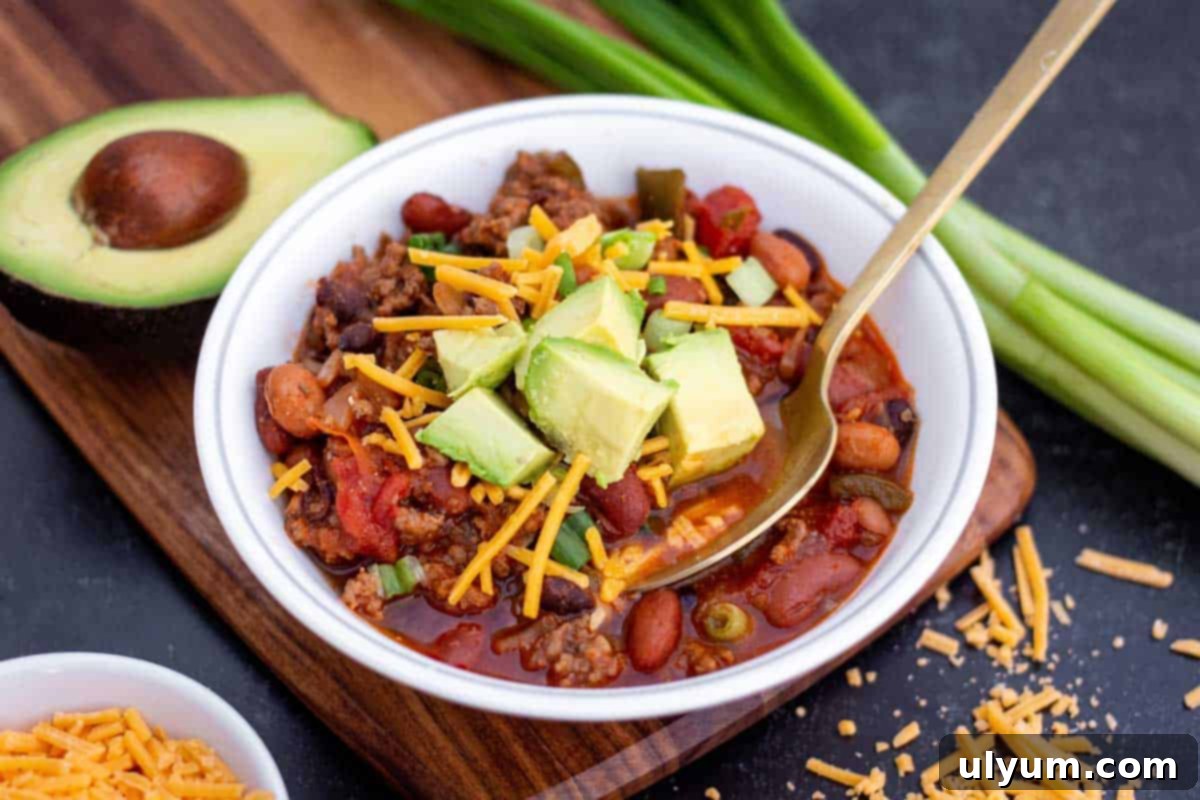
Preparing chili requires a significant investment of time and effort. There’s the chopping of vegetables, the browning of meat, and the slow simmering process. That’s a considerable amount of work to dedicate to a single meal.
While you could certainly enjoy a bowl of chili from Monday to Friday if you desired, here are some creative ideas for transforming one pot of chili into several easy and diverse dinners with minimal additional effort:
- Night 1: A comforting bowl of classic chili.
- Night 2: Fun and flavorful chili dogs or chili cheese fries.
- Night 3: A hearty serving of chili over baked potatoes, topped with your favorite fixings.
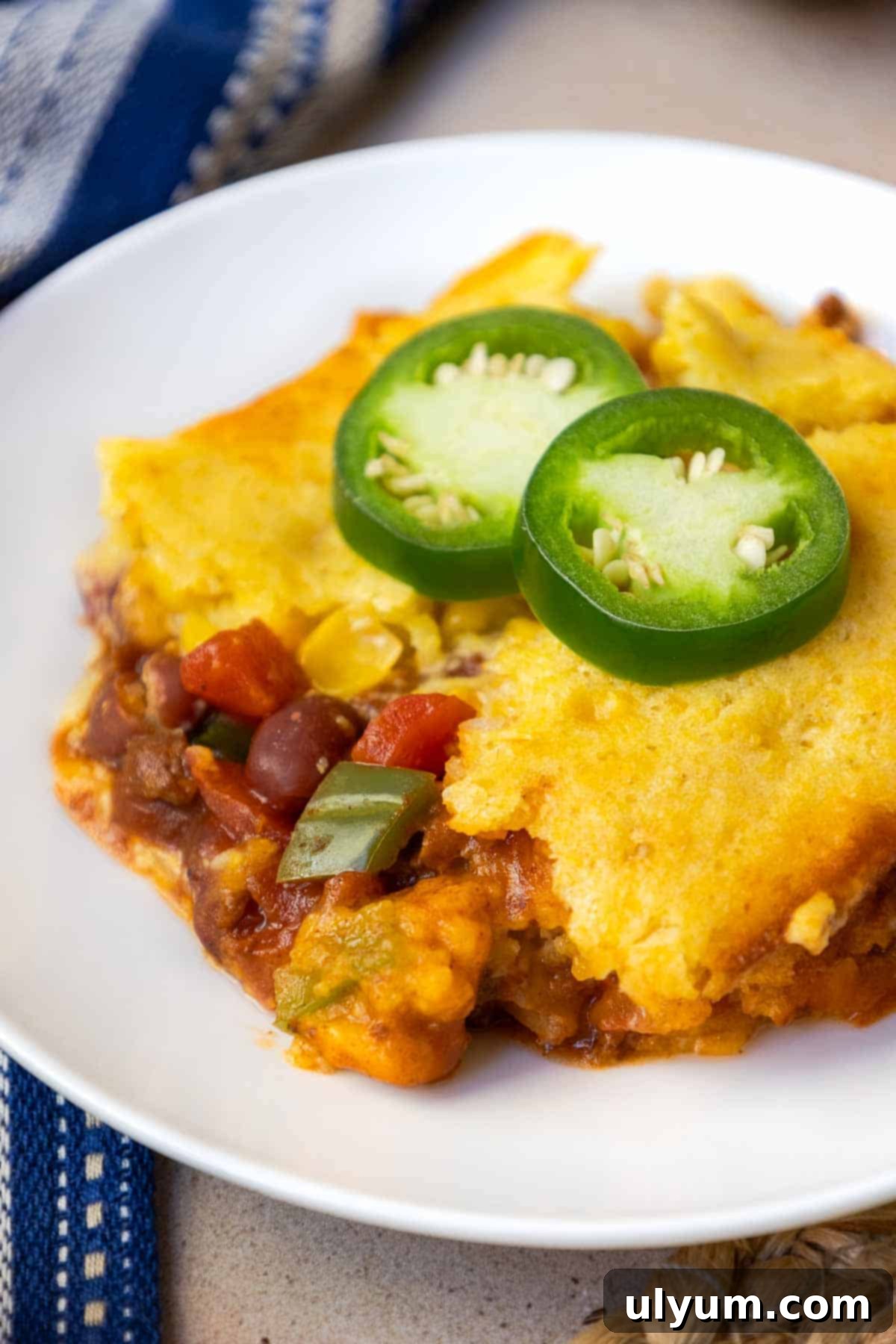
- Night 4: A warm and satisfying chili cornbread casserole (made with convenient Jiffy mix).
- Night 5: A creamy and cheesy chili mac (using quick-cooking Velveeta shells).
These are all different presentations of the same core ingredients, requiring very little extra work. This isn’t boring; it’s efficient and strategic.
Ingredient Prep vs. Meal Prep: Understanding the Difference
This is where my approach often diverges from traditional meal preparation strategies. While I appreciate simplicity and efficiency, I don’t particularly enjoy eating the exact same meal five nights in a row. This is where the concept of ingredient preparation becomes incredibly useful.
Instead of preparing entire meals in advance, I focus on buying or preparing individual ingredients that can be utilized in multiple ways throughout the week. This approach is adaptable, practical, and significantly easier to maintain over the long term.
One of my favorite examples is rotisserie chicken. At the beginning of the week, I’ll purchase one (or sometimes even two) rotisserie chickens from the grocery store. Many of my recipes, such as my creamy chicken broccoli cheddar soup, call for “cooked chicken” as an ingredient, and this is precisely what I mean. Rotisserie chicken works beautifully in casseroles, soups, pasta dishes, rice bowls, skillet meals, and countless other recipes.
And if I don’t have rotisserie chicken on hand? Frozen chicken works just as well! I can’t even begin to count the number of times I’ve used frozen chicken nuggets in my easy chicken stuffing casserole. It’s convenient, it saves time, and it still allows me to get a delicious and satisfying dinner on the table.

Ingredient preparation seamlessly aligns with the shortcut cooking philosophy because you’re investing the effort once, you’re not limited to a single specific meal, and you have the flexibility to adapt based on your mood, energy levels, or whatever ingredients you have remaining in your refrigerator.
How This Approach Simplifies Dinner Time
When you embrace the use of repeat ingredients, you’ll find that you shop more efficiently, waste less food, spend less time on meal planning, and make fewer last-minute decisions. Most importantly, dinner preparation will no longer feel like a nightly creative assignment that drains your energy and inspiration.
This is the essence of shortcut cooking. If this approach resonates with you, you’ll likely also enjoy exploring shortcut dinners that rely on pantry staples, rotisserie chicken, frozen vegetables, and simple, flavorful sauces.
A System, Not Just a New Dinner
Meal planning doesn’t have to involve preparing seven completely different dinners, achieving perfect nutritional balance every night, and constantly seeking new sources of inspiration. What you truly need is a repeatable system:
- A handful of versatile base recipes.
- Creative and flexible ways to utilize leftovers.
- Ingredients that can serve multiple purposes (pulling double or even triple duty).
Shortcut cooking empowers you to stop overthinking dinner and start creating meals that genuinely fit into your real life. You don’t need a brand-new dinner every day; you simply need a good foundation to build upon.